The True Cost of Skipping Your Medication: How a Single Missed Month Can Trigger Thousands in Emergency Bills
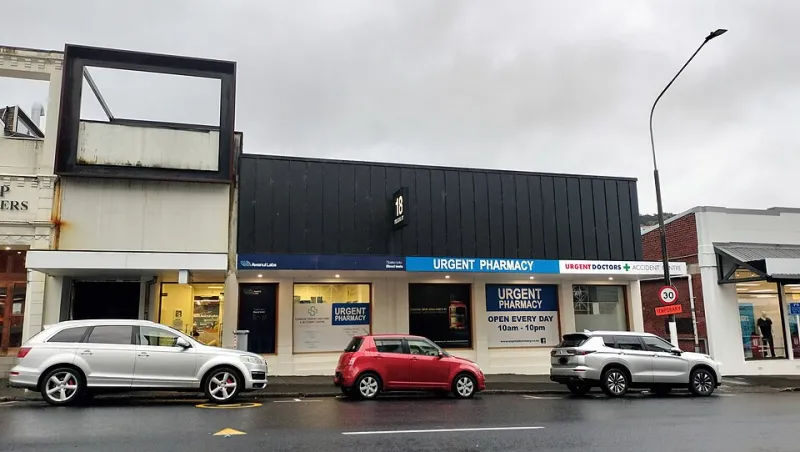
Photo: Andykatib, CC0, via Wikimedia Commons
For millions of Americans, the moment of decision comes at the pharmacy counter. The copay has climbed again. Rent is due. Groceries aren't cheap. So the prescription sits uncollected, and the internal reasoning begins: One month won't hurt. I'll pick it up next paycheck.
It is an understandable calculation—but it is also a financially devastating one. The short-term savings of skipping a prescription almost never outweigh the downstream costs. In fact, medication non-adherence due to cost concerns is one of the most expensive decisions a patient can make, generating an estimated $300 billion in avoidable healthcare costs in the United States every year, according to the American College of Preventive Medicine.
Understanding exactly why this happens—and what you can do to avoid it—is the first step toward protecting both your health and your finances.
The Numbers Behind the Decision
Consider a patient managing Type 2 diabetes who takes a standard oral medication costing approximately $40 per month without insurance. Skipping two months saves $80. However, uncontrolled blood sugar over that period can lead to a diabetic emergency requiring an emergency room visit. The average ER visit in the United States costs between $1,500 and $3,000—before any additional treatment, imaging, or follow-up care is factored in.
The same pattern holds across virtually every chronic condition category:
- Hypertension: Patients who discontinue antihypertensive medications are significantly more likely to experience a stroke. The average hospitalization cost for a stroke in the U.S. exceeds $20,000.
- Asthma: Missing controller medications for even a few weeks substantially raises the risk of an acute asthma attack. Emergency treatment and hospitalization can cost between $5,000 and $15,000.
- Heart failure: Patients who skip diuretics or ACE inhibitors to cut costs are among the most frequent repeat visitors to emergency departments. A single heart failure hospitalization averages more than $23,000.
The math is stark. Saving $40 at the pharmacy to risk a $10,000 hospital bill is not a savings strategy—it is a financial gamble with very poor odds.
Why Cost Remains the Primary Driver of Non-Adherence
A 2023 survey by the Kaiser Family Foundation found that approximately one in four Americans reported not filling a prescription in the past year due to cost. Among adults under 65 without insurance, that figure climbs even higher. This is not a fringe behavior—it is a systemic crisis that the healthcare industry has been slow to address.
Part of the problem is that the consequences of non-adherence are not always immediate. A patient who skips blood pressure medication for a month may feel perfectly fine, reinforcing the belief that the medication was optional. Chronic conditions are insidious in this way: they rarely signal distress until a threshold has been crossed, and by then, the clinical and financial damage is already done.
The Hidden Costs That Never Appear on a Pharmacy Receipt
Beyond the emergency room, medication non-adherence generates a cascade of secondary costs that patients rarely anticipate:
Specialist referrals: When a condition deteriorates due to inconsistent treatment, primary care physicians often refer patients to specialists. These visits carry their own copays, and the diagnostic workup that follows—labs, imaging, monitoring—adds hundreds or thousands of dollars to the annual healthcare burden.
Prescription escalation: Skipping medications can cause a condition to progress to a more severe stage, often requiring stronger or more expensive drugs. A patient who managed well on a generic oral medication may, after a period of non-adherence, require an injectable biologic that costs exponentially more.
Lost productivity and income: Hospitalizations mean missed work. For hourly workers or the self-employed, a three-day hospital stay can mean three days of lost wages—a cost that never appears in any healthcare accounting but is very real to the patient experiencing it.
Practical Strategies for Staying Adherent Without Overspending
The good news is that cost-driven non-adherence is a solvable problem. The following strategies, used individually or in combination, can dramatically reduce out-of-pocket medication costs for most patients.
1. Compare Prices Before You Fill—Every Time
Pharmacy pricing in the United States is neither standardized nor transparent. The same 30-day supply of a medication can vary by $50 or more between pharmacies located within a mile of each other. Using a prescription price comparison tool before every refill—rather than assuming your usual pharmacy offers the best rate—is one of the simplest ways to reduce costs without changing your medication regimen.
Sites like BestPricesOnMeds allow patients to search by drug name, dosage, and zip code to identify the lowest available price at nearby pharmacies, often in under two minutes.
2. Ask About Manufacturer Patient Assistance Programs
For brand-name medications without a generic equivalent, pharmaceutical manufacturers frequently offer patient assistance programs (PAPs) that provide the drug at little or no cost to qualifying patients. Eligibility is typically based on income and insurance status. Your prescribing physician's office or the manufacturer's website can provide enrollment details.
3. Request a Generic Equivalent
If you are currently taking a brand-name drug, ask your physician whether a therapeutically equivalent generic is available. Generic medications are required by the FDA to contain the same active ingredient at the same strength and dosage form as their brand-name counterparts. In many cases, switching to a generic can reduce monthly costs by 80 to 90 percent.
4. Transition to 90-Day Supplies
Many pharmacies and mail-order services offer meaningful discounts on 90-day supplies compared to three consecutive 30-day fills. Beyond the cost savings, 90-day supplies reduce the number of refill decisions a patient must make—which itself reduces the likelihood of a lapse in adherence.
5. Communicate Openly With Your Prescriber
Physicians cannot help patients they do not know are struggling. If cost is a barrier to filling a prescription, say so directly at your next appointment. Many physicians have samples on hand, are aware of lower-cost therapeutic alternatives, or can connect you with a social worker who specializes in medication assistance resources.
6. Explore Federal and State Assistance Programs
For patients who qualify, programs such as Medicaid, the Extra Help subsidy for Medicare Part D enrollees, and state pharmaceutical assistance programs can substantially reduce or eliminate out-of-pocket drug costs. Eligibility requirements vary by state and program, but many Americans who qualify are not enrolled simply because they are unaware these options exist.
The Bottom Line
The decision to skip a medication to save money is almost always more expensive than the decision to fill it—sometimes dramatically so. The $40 prescription that feels unaffordable today is rarely the larger financial threat. The $15,000 hospitalization that follows three months of non-adherence is.
Staying adherent to a prescribed medication regimen is, in the truest sense, an investment in financial stability. And with the right tools, the right questions, and a willingness to explore every available savings option, most patients can maintain that adherence without sacrificing their budget. The first step is simply knowing where to look.