Same Pill, Wildly Different Price: How Pharmacies Quietly Charge You More Than Your Neighbor
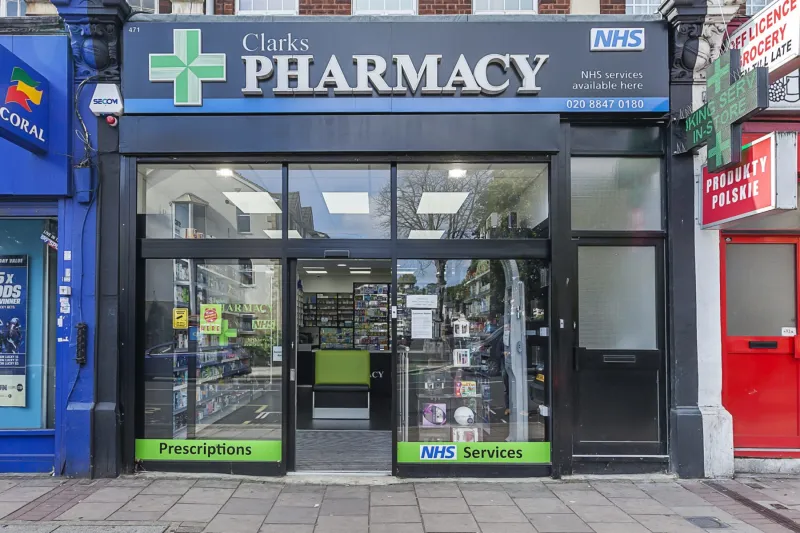
Photo: pharmacy counter price comparison prescription drugs retail, via visionshopfitters.co.uk
The Uncomfortable Truth About Pharmacy Pricing
Imagine two people standing in the same pharmacy line, each picking up a 30-day supply of the same blood pressure medication. One pays $18. The other pays $214. Neither is doing anything unusual. Both have valid insurance. Both are loyal customers. Yet the difference in what they owe at the register is staggering — and completely legal.
This is not a hypothetical. Price disparities of this magnitude occur every single day at retail pharmacies across the United States, driven by a complex web of algorithms, insurance negotiations, and data-driven customer profiling that most Americans never see coming. Understanding how this system works is the first step toward making sure you are on the right side of that equation.
What Is Pharmacy Dynamic Pricing?
Dynamic pricing — the practice of adjusting the cost of a product based on who is buying it and under what circumstances — has long been associated with airline tickets and hotel rooms. Over the past decade, however, it has quietly migrated into the pharmacy sector with remarkably little public scrutiny.
At its core, pharmacy dynamic pricing means that the price of your medication is not fixed. It fluctuates based on several variables that the pharmacy knows about you, including your insurance status, your purchasing history, whether you participate in a store loyalty program, and even the geographic market in which you are shopping. Sophisticated pricing software, used by major pharmacy chains, analyzes this data and sets a price that is calibrated to maximize revenue from each individual customer.
Pharmacies do not advertise this practice. There is no sign at the counter that reads, "Prices may vary based on your insurance profile." The variability simply appears on your receipt, and most patients assume that what they are paying is the standard, unavoidable rate.
The Role of Pharmacy Benefit Managers
To understand why two people pay such different amounts, it helps to understand the largely invisible role of Pharmacy Benefit Managers, or PBMs. These are the intermediary companies — organizations such as Express Scripts, CVS Caremark, and OptumRx — that negotiate drug prices between pharmaceutical manufacturers and insurance plans.
PBMs set the reimbursement rates that pharmacies receive for dispensing drugs. They also establish the copays that patients pay under their insurance plans. The problem is that these negotiated rates are rarely transparent, and the "spread" — the difference between what a PBM pays a pharmacy and what it charges an insurer — can be substantial. In some cases, your insurance copay is actually higher than the cash price of the same drug, a phenomenon that has been documented extensively by health economists and consumer advocates alike.
Your insurance card, in other words, is not always your friend at the pharmacy counter.
How Loyalty Programs Factor In
Major pharmacy chains have invested heavily in loyalty programs, and while these programs do offer genuine discounts in some cases, they also serve another purpose: data collection. Every purchase you make under a loyalty account is logged and analyzed. This data helps the pharmacy understand your price sensitivity, your purchasing patterns, and — critically — how likely you are to comparison shop.
Customers who consistently fill the same prescriptions at the same pharmacy without price-checking are effectively signaling that they are not sensitive to price increases. Pricing algorithms can take this behavioral data into account. Meanwhile, customers who frequently use discount codes or switch between pharmacies may be flagged as price-conscious and offered more competitive rates to retain their business.
This is not speculation. Academic research published in health economics journals has confirmed that pharmacies employ variable pricing strategies that respond to competitive pressure and customer behavior.
Identifying Whether You Are Overpaying
The good news is that the same technology driving pharmacy dynamic pricing has also produced tools that consumers can use to expose it. Price comparison platforms allow you to look up what any given medication costs at every major pharmacy in your ZIP code, often within seconds.
Here are the most effective steps to determine whether you are overpaying:
1. Look up the cash price before using your insurance. Tools such as GoodRx, RxSaver, and the price comparison resources available here at BestPricesOnMeds allow you to see the uninsured cash price at nearby pharmacies. In many cases, this price is lower than your insurance copay.
2. Ask the pharmacist directly. Federal law does not require pharmacists to volunteer that a cheaper option exists, but they are generally permitted to tell you if you ask. Specifically, ask: "Is there a lower cash price or a discount program price available for this medication?"
3. Compare across pharmacy types. Big-box retailers such as Costco and Sam's Club often have dramatically lower prescription prices than traditional chain pharmacies, partly because their pharmacy operations are not designed to be profit centers. Independent pharmacies can also offer competitive pricing, particularly for generics.
4. Check your insurance's Explanation of Benefits. If you are paying a copay, review your EOB to understand what your plan is actually paying versus what you owe. If the total negotiated price seems disproportionate to the drug's market value, it may be worth exploring alternative discount channels.
5. Consider a discount card as a supplement. Prescription discount cards are not insurance, but they negotiate their own rates with pharmacies. In many scenarios, presenting a discount card instead of your insurance card will result in a meaningfully lower out-of-pocket cost.
The Geographic Dimension
Location adds another layer of complexity. Pharmacies in higher-income ZIP codes have been documented charging more for identical medications than those in lower-income areas, partly because customers in wealthier markets are less likely to comparison shop and more likely to have insurance plans with generous coverage that masks the true drug cost. If you live near a ZIP code boundary, it may literally be worth driving a few extra minutes to access a more competitive market.
What Regulators Are — and Are Not — Doing
Several states have enacted pharmacy pricing transparency laws in recent years, requiring pharmacies to disclose cash prices upon request or to honor the lower of the cash price versus the insurance price. However, enforcement is inconsistent, and no comprehensive federal standard currently exists. Advocacy groups continue to push for greater transparency, but in the meantime, the burden largely falls on individual consumers to protect themselves.
The Bottom Line
The pharmacy pricing system in the United States is not designed with the patient's financial interests as its primary concern. Dynamic pricing, PBM negotiations, and loyalty data all contribute to a landscape where identical medications carry wildly different price tags depending on who is buying them. Closing that gap requires active engagement: comparing prices before you fill, asking direct questions at the counter, and using the comparison tools available to you. At BestPricesOnMeds, our mission is to make that process as straightforward as possible — because the $500 difference in your medicine cabinet should stay in your wallet.